
Criminal Law
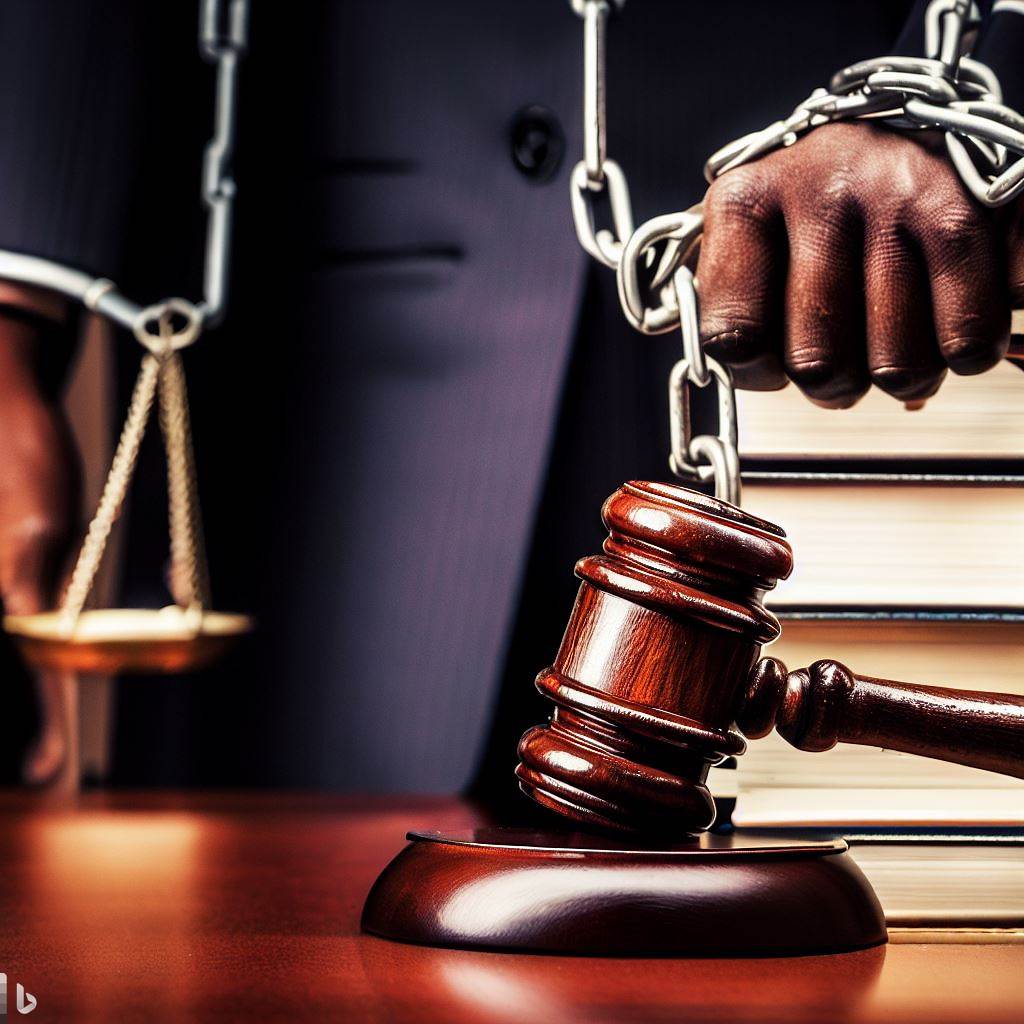
It is concerned with punishment of individuals who commit crimes whereby “Crime” is simply defined as any act or omission in violation of a law prohibiting the action or omission.
As a society, we rely on criminal law to maintain order, ensure public safety, and administer justice.
The primary objective of criminal law is to hold individuals accountable for their actions when they cause harm to others or society as a whole. It sets forth a framework of rules and regulations that define criminal offenses and prescribes penalties for those found guilty. Criminal offenses encompass a wide range of acts, including theft, assault, fraud, drug offenses, and many more.
In criminal cases, the burden of proof rests on the prosecution, which must establish the guilt of the accused beyond a reasonable doubt. This high standard of proof is in place to protect the rights of the accused and ensure that no one is wrongfully convicted. Through a fair and impartial judicial process, criminal law seeks to strike a balance between punishing offenders and safeguarding the rights of individuals.
Within the field of criminal law, legal professionals specializing in this area undertake crucial roles. Prosecutors represent the interests of the state, bringing charges against alleged offenders and presenting evidence to support their case. Defense attorneys, on the other hand, advocate for the rights of the accused, challenging the prosecution’s evidence and ensuring a fair trial.
Criminal law also encompasses principles of sentencing, rehabilitation, and deterrence. Sentencing decisions take into account factors such as the severity of the offense, the circumstances surrounding the crime, and the defendant’s criminal history. Rehabilitation programs may be offered to offenders as a means of helping them reintegrate into society and prevent future criminal behavior. Deterrence aims to discourage potential offenders by imposing penalties that serve as a deterrent for committing crimes.
Overall, criminal law plays a vital role in upholding justice and maintaining social order. By defining criminal offenses, establishing procedures for fair trials, and outlining appropriate punishments, it seeks to strike a balance between the protection of society and the preservation of individual rights.